Homeowners today are approaching renovations and custom home projects with a very different mindset than in previous years. Rather than focusing only on appearance, people are placing greater importance on functionality, comfort, energy efficiency, and long-term lifestyle needs.
Homes have become much more than living spaces. They now serve as work environments, gathering areas, places for relaxation, and long-term investments. Because of this, more homeowners are seeking construction and renovation solutions that feel personalized and thoughtfully planned around how they live every day.
This growing demand has contributed to the rise of integrated design-build services that combine planning, design, and construction into one streamlined process.
The Shift Toward Personalized Living Spaces
Many homeowners no longer want standard layouts or generic renovation solutions. Instead, they are looking for homes that reflect their routines, priorities, and long-term goals.
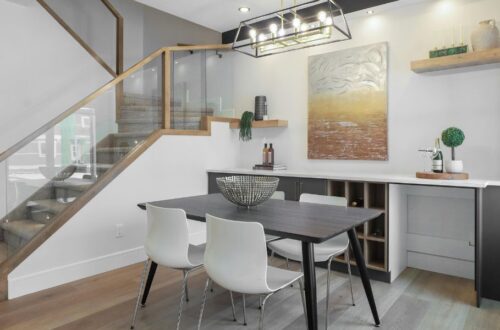
Open-concept kitchens, flexible family spaces, home offices, improved storage solutions, and stronger indoor-outdoor connections have become common priorities in modern residential projects.
Personalized planning helps create spaces that not only look beautiful but also improve the overall functionality and comfort of everyday living.
Why Renovations Continue Increasing in Popularity
Rising housing costs and limited inventory in many regions have encouraged homeowners to invest more heavily in improving their current homes rather than relocating.
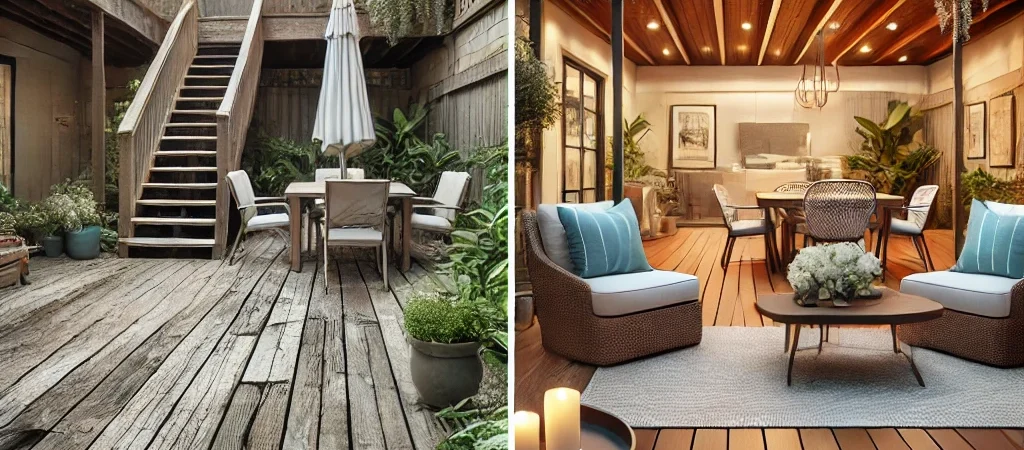
Renovations provide opportunities to modernize outdated layouts, improve efficiency, increase property value, and create better use of existing square footage.
Many homeowners now view renovation projects as long-term investments that improve both lifestyle quality and future resale potential.
The Benefits of the Design-Build Process
Traditional residential construction projects often involve separate architects, designers, contractors, and consultants working independently throughout the process.
While this approach can work, it may also create communication challenges, delays, and inconsistencies between design and construction phases.
The design-build model helps simplify project coordination by bringing all major services together under one integrated team. This approach improves collaboration, streamlines timelines, and often creates smoother project experiences for homeowners.
Working with a unified team also helps ensure the original vision remains consistent throughout the project lifecycle.
Why Functionality Matters More Than Ever
Modern homeowners increasingly prioritize practical functionality alongside visual design.
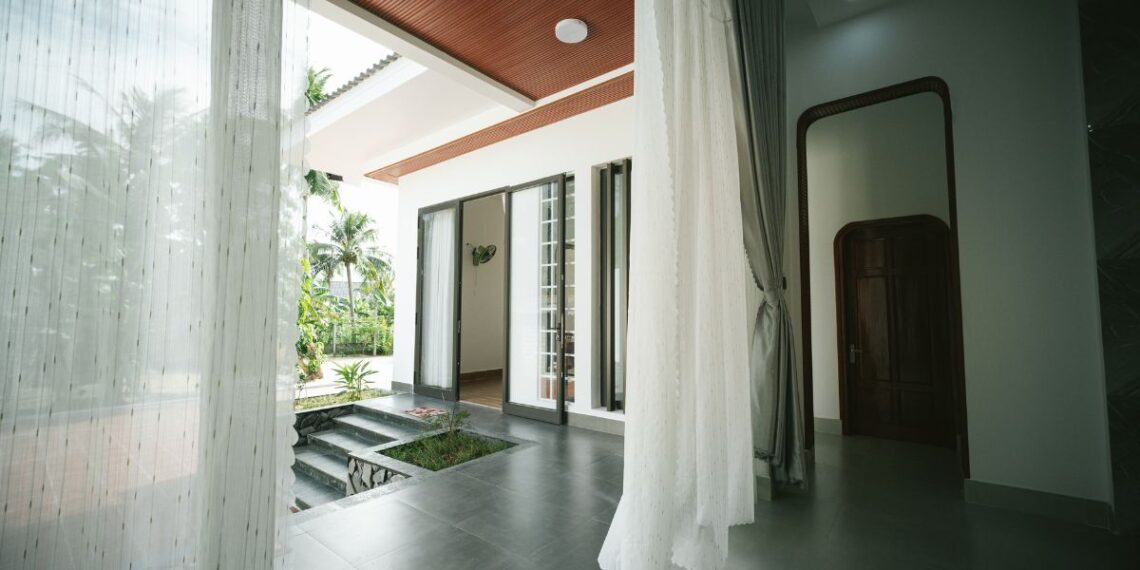
Spaces are expected to support changing family dynamics, remote work, entertaining, storage needs, and long-term flexibility. Layouts are often designed to maximize natural light, improve traffic flow, and create more comfortable day-to-day living environments.
This focus on usability has become one of the defining characteristics of contemporary residential design.
The Role of Quality Craftsmanship
Craftsmanship continues to play a major role in both the appearance and durability of a home.
High-quality construction affects structural integrity, material longevity, and the overall feeling of a finished space. Attention to detail during planning and execution often creates homes that continue performing well and maintaining visual appeal for years to come.
Homeowners increasingly recognize the value of investing in skilled workmanship and thoughtful construction practices rather than focusing solely on short-term aesthetics.
How Design Trends Are Evolving
Residential design trends continue shifting toward cleaner layouts, natural textures, and more calming living environments.
Neutral palettes, energy-efficient systems, larger windows, minimalist aesthetics, and sustainable materials are becoming increasingly common in both renovations and custom home construction.
At the same time, homeowners still want spaces that feel personal and reflective of their individual style.
This combination of simplicity, functionality, and personalization is shaping the future of modern residential design.
The Importance of Communication During Residential Projects
Strong communication is one of the most important parts of any successful construction or renovation project.
Homeowners want clear expectations regarding timelines, budgets, material choices, and design decisions. Integrated design-build teams often improve communication by allowing clients to work directly with one coordinated group throughout the process.
This collaborative approach helps reduce misunderstandings while creating more consistent project management from start to finish.
Creating Homes That Support Long-Term Living
Today’s homeowners are increasingly focused on long-term livability rather than temporary design trends.
Well-designed spaces should remain comfortable, adaptable, and functional as needs change over time. Flexible layouts, durable materials, and efficient systems all contribute to homes that continue supporting families for years into the future.
Thoughtful planning often results in homes that feel more balanced, practical, and enjoyable on a daily basis.
The Value of Experienced Design-Build Teams
Residential construction projects involve many moving parts, including budgeting, permitting, design coordination, scheduling, and construction management.
Experienced teams help simplify these processes while ensuring projects stay aligned with both design goals and practical requirements.
Companies like Rusch Design Build continue supporting homeowners through integrated planning and construction services designed around craftsmanship, communication, and personalized residential design.
This unified approach often creates smoother project experiences while helping homeowners achieve more cohesive and functional final results.
Exploring Modern Residential Design Solutions
As homeowners continue researching renovation and custom home options, many are exploring design-build services that offer greater collaboration and project efficiency.
For individuals interested in learning more about integrated residential construction and renovation approaches, visiting https://ruschdesignbuild.com/
provides insight into modern design-build solutions focused on personalized planning and high-quality craftsmanship.
Researching different project approaches helps homeowners make more informed decisions about creating spaces that align with both current needs and future goals.
The Future of Residential Construction
The future of residential construction will likely continue emphasizing personalization, efficiency, sustainability, and thoughtful functionality.
Homeowners increasingly want homes that support evolving lifestyles while maintaining comfort, beauty, and long-term value.
Integrated design-build services are well positioned to support these priorities through stronger collaboration, streamlined communication, and customized project planning that helps create homes designed around how people truly want to live.